

Highlights:
– Zendaya stuns at The Odyssey premiere in a vintage Givenchy Haute Couture gown.
– The dress, designed by Alexander McQueen, originally belongs to the spring/summer 1997 collection.
– The look pays homage to classic Greek mythology as Zendaya stars as Athena in Christopher Nolan’s new film.
A Fashionable Tribute to Greek Mythology
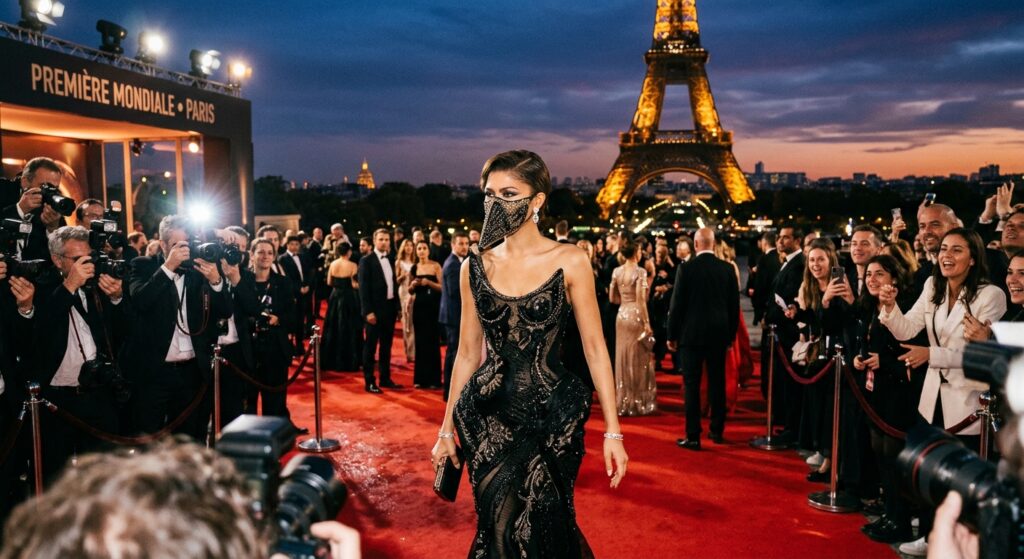
At the recent premiere of “The Odyssey” in Paris, Zendaya captivated audiences and fashion critics alike as she donned a breathtaking white form-fitting breastplate gown. This exquisite piece is not merely another item in her wardrobe; it is a vintage creation from the renowned Givenchy Haute Couture collection designed by Alexander McQueen in 1997. The significance of this gown extends beyond its aesthetic appeal, representing a striking blend of historical fashion and contemporary cinema. Zendaya’s choice reflects not just her exceptional taste but also her ability to revive classic designs and make them relevant in today’s pop culture landscape.
This premiere was an event highlighting not only Zendaya’s role as Athena in Christopher Nolan’s adaptation of the Greek epic but also underscoring the continued influence of fashion in the film industry. The gown, originally inspired by the mythological tale of Jason and the Argonauts, perfectly aligns with the film’s themes as it draws from the narrative backdrop of adventure and heroic quests. Zendaya’s appearance is a celebration of both cinematic art and fashion history, showcasing how the two fields can intertwine to create a memorable visual experience.
Making a Statement through Fashion
Wearing the gown exactly as it was presented on the runway, Zendaya further emphasized its striking features, including padded shoulders and oversized cuff sleeves. Accessories also played a crucial role in completing her look, with her choice of Christian Louboutin So Kate heels and elegant jewelry from Fope accentuating the overall aesthetic. This choice of attire showcases her willingness to embrace bold fashion choices while drawing inspiration from significant design history, embodying a modern muse that pays tribute to the past.
The impact of Zendaya’s fashion choice ripples throughout the industry. By wearing a piece that celebrates both artistic vision and storytelling, she reinforces the notion that fashion is not just about personal style but can also serve as a critical form of expression that tells a deeper story. Furthermore, her confident embrace of such a unique design encourages others in the industry to explore historical fashion influences, thereby fostering an appreciation for the stories woven into the fabric of clothing.
Implications for the Future of Fashion and Film
The blending of fashion and film as exemplified by Zendaya’s striking appearance serves multiple purposes. Not only does it elevate the glamour and aesthetic appeal of movie premieres, but it also prompts discussions about the role of fashion in character portrayal and storytelling. In an era where visual narratives are paramount, the thoughtful curation of outfits can significantly enhance a character’s identity and essence. This fusion invites designers, stylists, and filmmakers to collaborate more closely, creating a collective vision that resonates with audiences.
Looking ahead, the implications of such high-profile fashion moments are vast. With celebrities using their platforms to showcase pieces that resonate with cultural myths, history, and art, the dialogue around fashion continues to expand. This encourages a deeper appreciation of clothing as a form of narrative rather than merely a means of adornment. As fans and critics dissect these moments, the possibilities for future collaborations between fashion and cinema seem endless, paving the way for more narratives that are both visually stunning and culturally relevant.
In summary, Zendaya’s breathtaking appearance at “The Odyssey” premiere serves as a powerful reminder of fashion’s potential to convey stories while bridging the gap between the past and present. As we reflect on this intersection of art forms, we might ask ourselves: How does fashion influence our perception of characters in film? Could we see a resurgence of historical fashion in contemporary cinema? What other iconic designs from the past could be reimagined for today’s audience?
Editorial content by Peyton Green