
Highlights:
– Extended dry conditions are severely impacting both wildlife and agriculture in the UK.
– The National Farmers’ Union warns that climate change is heightening risks and costs for food production.
– Recent record-breaking temperatures increase the threat of wildfires across the nation.
Introduction to Dry Conditions and Their Impact
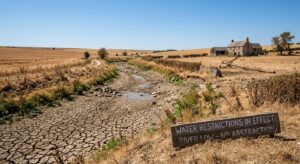
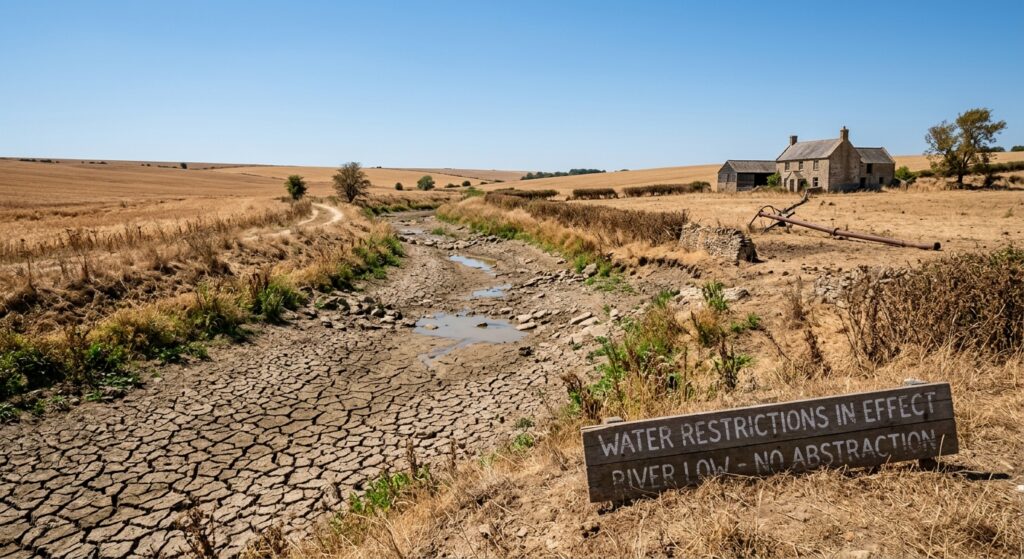
The current dry spell sweeping across the UK is causing alarming disruptions to both nature and agriculture. This dramatic weather pattern has resulted in river flows dropping to critical lows, preventing species such as Atlantic salmon from migrating upstream. This issue is not just a concern for the environment; it poses a tangible threat to the nation’s food security, an aspect that connects directly to everyone’s daily lives and well-being.
As the intensity of droughts and heatwaves increases, the agricultural sector faces unprecedented challenges. Farmers have long contended with fluctuating weather, but the stark reality is that climate change is now transforming normal weather patterns into extreme events, adversely affecting crop production and livestock management.
Climate Change Making Agriculture Riskier
Paul Tompkins, deputy president of the National Farmers’ Union of England and Wales (NFU), underscores the severity of the situation, stating that what farmers are experiencing is climate change in immediate action. He highlights that the harsh conditions render food production not just harder but also significantly riskier and more costly. The impact of these droughts is palpable for farmers, who must adapt their practices to unprecedented climatic changes, which jeopardizes the stability of food supplies across the country.
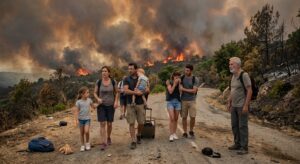
As if to compound these problems, parts of the UK are now enduring their fourth heatwave of the year, marked by amber and yellow heat health alerts. With temperatures projected to soar to 35 degrees Celsius in regions like south-east England, these extreme conditions increase the likelihood of wildfires. In just two weeks, more than 200 wildfire incidents have been documented in England and Wales, amplifying the urgency of the drought situation and its dire consequences on both ecosystems and agricultural output.
Consequences and Path Forward
The ongoing heatwave and drought not only threaten local wildlife but also herald a pressing need for evaluations of national policies regarding water management and agricultural sustainability. The National Fire Chiefs Council has reported that the risk of wildfires remains significantly elevated, urging communities to be vigilant as conditions persist. With rising temperatures hitting new highs—recently verified at 38.0 degrees Celsius—these alarming trends must motivate both governmental and civil responses.
To mitigate these challenges, farmers are calling for increased support and innovative strategies to contend with climate-related disturbances. As droughts and heatwaves become more frequent, discussions surrounding methods for enhancing water conservation and developing climate-resilient crops are essential. This situation serves not only as a wake-up call for agricultural reform but also prompts broader discussions about the collective responsibility for environmental stewardship.
Conclusion:
The alarming rise in temperatures and the severe implications of prolonged drought conditions remind us of the urgency to address climate change. As nature struggles and agricultural production faces jeopardy, it begs the question: How can communities and policymakers collaborate to create sustainable practices? What role does individual consciousness play in this broader narrative? And how can we ensure food security in the face of an unpredictable climate?
Editorial content by Jamie White